by marco.ballesterosh@gmail.com | Nov 24, 2026 | Explainers
A small-business automation can start at about $500, while a custom AI system can run into tens of thousands of dollars. AI automation cost depends on the work, the tools, and the level of human review you need. A workflow is a repeatable sequence of steps that starts...

by marco.ballesterosh@gmail.com | Nov 24, 2026 | Explainers
A useful AI scorecard connects time and cost gains to quality, customer or employee outcomes, and the work your team needs to improve. For small business teams, AI automation KPIs can show whether repetitive work gets easier without losing human judgment. Recovered...
by marco.ballesterosh@gmail.com | Nov 24, 2026 | Explainers
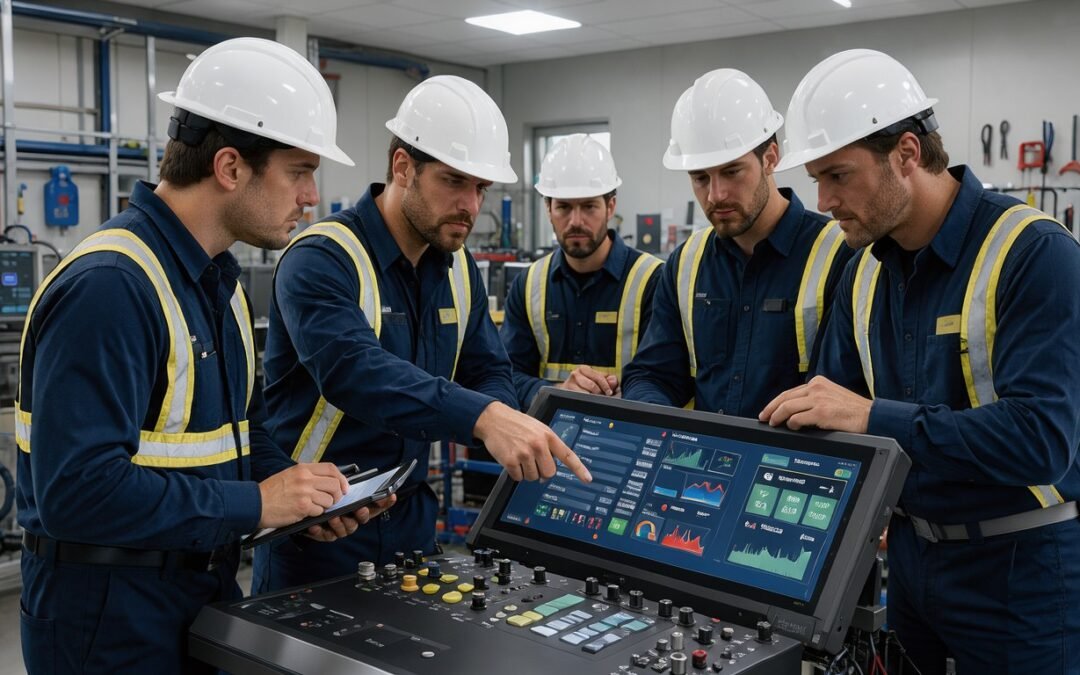
AI automation maintenance means using AI to spot equipment problems earlier and keep automation workflows monitored, tested, and updated. In 2016, preventable maintenance issues in covered U.S. manufacturing industries were linked to $119.1 billion in losses. Your...

by marco.ballesterosh@gmail.com | Nov 24, 2026 | Explainers
AI automation can start from a real business event, use an API to gather the details, and pause for your team when a decision needs a person. AI automation API webhooks can help small business teams respond sooner without handing decisions blindly to software. A...

by marco.ballesterosh@gmail.com | Nov 24, 2026 | Explainers
Scaling AI automation means expanding proven workflows across a business while keeping people in control of important decisions. AI automation can combine machine learning, language tools, and software that handles repeat tasks. That mix can save time, yet it can also...

by marco.ballesterosh@gmail.com | Nov 24, 2026 | Explainers
Zapier AI automation is a no-code way for small teams to connect apps and add AI to repeatable work while keeping people responsible for the decisions that matter. Zapier lists more than 9,000 app integrations, giving a small business many ways to link its current...